What seemed like a harmless eye condition turned into a shocking diagnosis—after doctors discovered a sexually transmitted infection in an unexpected place.
Mistaken for a Simple Eye Problem
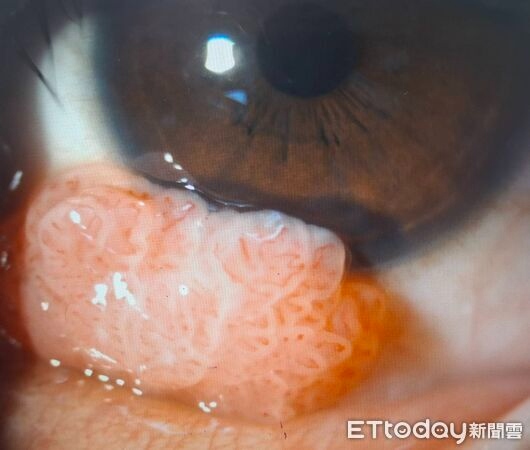
A 34-year-old man sought medical attention after noticing lumps on both lower eyelids that resembled styes.
The condition persisted for over three months, with one lump growing to about 2 cm long and 0.5 cm high.
Although painless, it significantly affected his appearance and confidence.
Unexpected Diagnosis
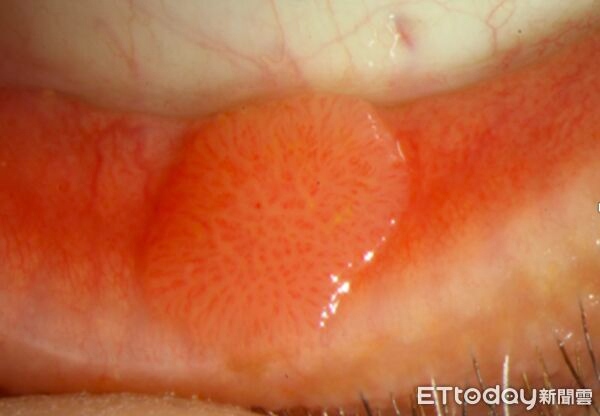
Upon closer examination, doctors found that the lesions had a velvety, wart-like texture with tiny blood vessels.
After removal and laboratory testing, the diagnosis was confirmed:
👉 Genital warts (caused by HPV)

The Surprising Cause
The patient later admitted to having multiple sexual partners and not consistently using protection.
He revealed that months earlier, he had engaged in oral sex with a partner who had visible red bumps in her genital area.
At the time, he assumed it was a minor skin issue.
However, that contact likely allowed the virus to spread—not to his mouth, but to his eye.
How Can an STD Infect the Eye?
According to Dr. Hong Qiting, the condition is caused by the human papillomavirus (HPV), particularly types 6 and 11.
The virus spreads easily through mucous membranes, which are more vulnerable than regular skin.
In this case:
- The patient had chronic eye irritation
- Frequently rubbed his eyes
- Tiny wounds formed on the eye surface
👉 This created a pathway for the virus to enter after direct contact
High Risk and Hidden Danger
Experts warn:
- Infection risk can be as high as 85% if there are visible lesions and no protection
- Around 75% of infected individuals show no obvious symptoms early on
- HPV can remain dormant and recur if immunity drops
- It is often associated with other STDs such as gonorrhea, syphilis, and HIV
Treatment and Outcome
The patient underwent electrocautery treatment, and fortunately:
- No recurrence has been reported
- Tests for other STDs came back negative
Doctor’s Warning
Doctors emphasize:
- Practice safe sex
- Use protection consistently
- Get vaccinated against HPV
- Undergo regular health check-ups with your partner
Bottom Line
Sexually transmitted infections don’t always appear where you expect.
👉 Sometimes, what looks like a minor issue could be a warning sign of something far more serious.