Many people are surprised—or even alarmed—when they cough up small, whitish lumps from their throat. These odd formations, often accompanied by a strange sensation or unpleasant smell, are commonly known as tonsil stones, or tonsilloliths. While they may look concerning, they are usually harmless and quite common.
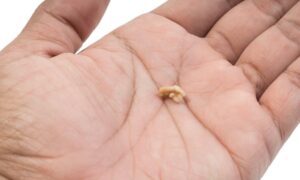
Tonsil stones form in the small crevices, or crypts, of the tonsils. The tonsils are part of the body’s immune system and help trap bacteria, food particles, and other debris. Over time, this trapped material can accumulate and harden, forming small, stone-like lumps. These stones are typically white or yellowish and can vary in size—from tiny grains to larger, more noticeable pieces.
One of the most common symptoms of tonsil stones is a feeling of something stuck in the throat. People often describe it as a tickling or irritating sensation, especially when swallowing. Another telltale sign is bad breath, as the bacteria involved in the formation of tonsil stones can produce foul-smelling compounds. In some cases, individuals may also experience mild throat discomfort, coughing, or even visible white spots on the tonsils.
Despite their unpleasant nature, tonsil stones are generally not dangerous. However, they can be bothersome and affect daily comfort and confidence. Fortunately, there are several simple ways to manage and prevent them.
Good oral hygiene is the first line of defense. Brushing your teeth regularly, including your tongue, and using mouthwash can help reduce bacteria in the mouth. Gargling with warm salt water is another effective method. It can help loosen existing stones and soothe the throat at the same time.
For those who frequently experience tonsil stones, gentle removal at home may be possible. Using a cotton swab or rinsing with a water flosser can help dislodge small stones. However, it is important to be gentle to avoid irritation or injury to the tonsils. If the stones are large, painful, or recurring, it is best to consult a healthcare professional.
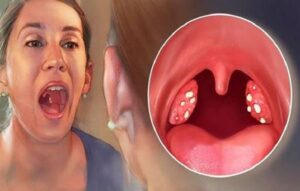
In more persistent cases, medical treatments may be recommended. These can include procedures to reduce the size of the tonsil crypts or, in rare situations, surgical removal of the tonsils. However, such measures are usually only considered when tonsil stones significantly impact quality of life.
Prevention is key. Staying hydrated helps keep the mouth clean and reduces the buildup of debris. Avoiding smoking and maintaining a balanced diet can also support overall oral health. Regular dental check-ups can further help in identifying and managing potential issues early.
In conclusion, while discovering strange lumps from your throat can be unsettling, tonsil stones are a common and manageable condition. With proper hygiene and simple care routines, most people can effectively prevent and deal with them. Understanding what they are and why they form can turn a worrying experience into a manageable—and even routine—part of personal health care.