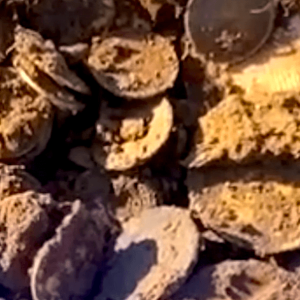
Have you ever taken a close look at the edge of a coin and noticed the tiny ridges running around it? Most people handle coins daily without paying attention to such details, yet those grooves—called reeding—carry a fascinating history. Far from being decorative, they were created to solve a real problem, one that once threatened the reliability of money itself.
Centuries ago, coins were made from precious metals like gold and silver, meaning their value came directly from their weight. This made them vulnerable to a form of fraud known as coin clipping, where small amounts of metal were shaved off the edges. Though each shaving was tiny, over time it added up, allowing dishonest individuals to profit while weakening trust in the currency system.
To combat this issue, mints introduced ridges along the edges of coins. These ridges made any tampering immediately visible, as even slight clipping would disrupt the pattern. The idea proved highly effective, especially during the time when figures like Isaac Newton, who worked at the Royal Mint, helped reform coin production and strengthen protections against fraud.
Today, coins are no longer made from valuable metals, yet many still feature ridged edges. These grooves now serve additional purposes, such as helping people distinguish coins by touch and ensuring compatibility with machines. What may seem like a minor design detail is actually a lasting innovation—one that connects everyday currency to centuries of history, ingenuity, and trust.