The panic hits fast. You open a package of raw chicken and notice something unsettling: dark red or purple patches beneath the skin that look almost like bruises. Suddenly, the dinner you were about to prepare doesn’t seem quite so appetizing.
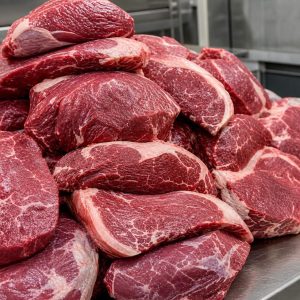
But discoloration alone doesn’t automatically mean the chicken is spoiled. Darker areas can sometimes result from blood remaining in tissue, small blood vessels, bruising that occurred before processing, or natural differences in pigmentation. Freezing and thawing can also change the appearance of meat, making certain areas look darker than expected.
The important thing is not to judge raw chicken by color alone. Pay attention to the whole picture. Spoiled chicken may develop a strong unpleasant odor or an unusually sticky or slimy texture. Storage matters too. Raw poultry should be kept properly refrigerated, and chicken that has been left at unsafe temperatures for too long should be discarded even if it looks normal.
And remember: appearance cannot tell you whether harmful bacteria are present. Handle raw poultry carefully, prevent its juices from contaminating other foods or surfaces, and cook chicken thoroughly. A food thermometer should register 165°F (74°C) at the thickest part.
So those mysterious purple marks aren’t automatically a reason to panic—but they aren’t a complete safety test either. When storage history or freshness is genuinely questionable, throwing the chicken away is safer than gambling with dinner.