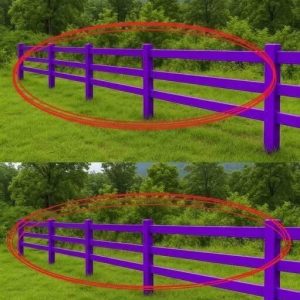
Where a state’s law recognizes the practice and the markings meet its requirements, the message is essentially straightforward: the property is posted, and you should not enter without authorization. Purple paint can therefore function much like a “No Trespassing” sign. In Illinois, state guidance specifically describes purple paint on trees or posts as a no-trespassing notice.
One reason paint can be useful is its durability. Signs can fade, fall down, or be removed, while painted markings can remain visible for longer periods. Missouri materials describing its purple-paint statute note that the system was introduced as an economical way for landowners to provide notice and avoid some of the problems associated with physical signs.
However, there is one important detail: purple-paint rules are not uniform nationwide. The legal meaning and required placement depend on state law. Requirements can specify where markings are placed, how large they must be, and how far apart they can appear. Texas, for example, also recognizes purple paint as a statutory method of posting private property.
For hikers, hunters, campers, and anyone exploring unfamiliar rural areas, the safest approach is simple: if you encounter purple boundary markings, don’t assume they are decoration. Avoid crossing until you know whether access is permitted. A small patch of paint can carry an important message about property boundaries—and recognizing it can prevent an accidental trespass while showing respect for the person who owns the land.



This Post Has One Comment