What Your Blood Pressure Numbers Really Mean and Why Healthy Targets Don’t Simply Change With Age

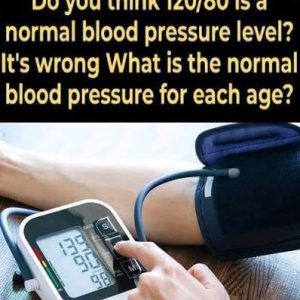
Blood pressure is one of the most important indicators of cardiovascular health. It measures the force of blood pushing against your artery walls as your heart beats and rests. A reading contains two numbers: systolic pressure, the top number, measures pressure when the heart contracts, while diastolic pressure, the bottom number, measures pressure while the heart relaxes between beats.

Although blood pressure often rises with age as arteries become stiffer, getting older does not automatically make high blood pressure normal or inevitable. For adults, readings below 120/80 mmHg are generally considered normal under widely used U.S. guidelines. Readings of 120–129 with a diastolic below 80 are considered elevated, while persistent readings beginning at 130 systolic or 80 diastolic may fall into the hypertension range. But there’s an important reason you shouldn’t simply accept higher numbers because you’re getting older.

THE STORY CONTINUES ON THE NEXT PAGE… 👇👇👇


CONTINUE READING →

Related Posts

What to Do When You Discover a Tick Hiding in Your Child’s Hair at Home

Finding something unusual in your child’s hair can be alarming, especially when you look closer and realize it may be a tick attached to the scalp. Ticks…

What to Do When You Discover a Tick Hiding in Your Child’s Hair at Home

Use clean, fine-tipped tweezers to grasp the tick as close to the skin’s surface as possible. Pull upward using steady, even pressure. Avoid twisting or jerking, which…

Sudden Leg Cramps Aren’t Always Dehydration—Several Different Causes Could Be Behind That Painful Muscle Knot

One moment, your leg feels completely normal. The next, a muscle suddenly tightens into a painful knot. You may freeze in place, waiting for the contraction to…

Sudden Leg Cramps Aren’t Always Dehydration—Several Different Causes Could Be Behind That Painful Muscle Knot

Minerals such as sodium, potassium, calcium, and magnesium are important for normal nerve and muscle function, and abnormal levels can sometimes contribute to cramping. But cramps alone…

What Your Blood Pressure Numbers Really Mean and Why Healthy Targets Don’t Simply Change With Age

Population averages may increase with age, but an average isn’t necessarily a healthy target. Blood-pressure goals are individualized according to overall health, medications, cardiovascular risk, and other…

Hard Bumps Near Your Fingertips May Be Heberden’s Nodes, a Common Sign of Hand Osteoarthritis

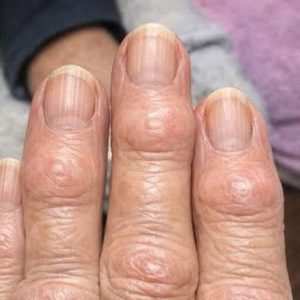
As we get older, our bodies naturally change—and our hands are no exception. One common change many people notice is the development of hard, bony bumps on…

Leave a Reply

Your email address will not be published. Required fields are marked *