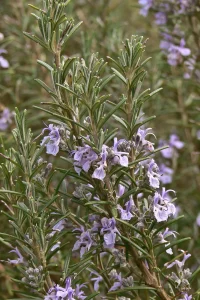
For centuries, rosemary has held a quiet yet meaningful place in human life, extending far beyond its role as a simple culinary herb. Across cultures, its slender leaves and refreshing aroma have inspired admiration, ritual, and everyday use. While many recognize rosemary for enhancing Mediterranean dishes, its deeper significance lies in its connection to healing, symbolism, and tradition. Ancient communities often linked the plant to ideas of clarity, renewal, and inner strength, viewing it as more than just a flavoring ingredient.
In folklore and literature, rosemary frequently appeared as a symbol of memory and protection. People planted it near homes, believing it could guard against misfortune and create a sense of peace. It was also used in ceremonial practices, such as burning it to cleanse spaces or including it in rituals to honor loved ones. These customs reveal how rosemary bridged the gap between daily life and spiritual belief, offering both comfort and meaning through simple practices.
Historically, rosemary played a prominent role in Mediterranean cultures. Families often placed it near doorways or windows, trusting in its ability to purify the environment and promote emotional balance. Its distinctive scent was associated with improved focus and calmness, reinforcing its reputation as a plant that supported both mind and body in subtle but meaningful ways.
From ancient Rome to Egypt, rosemary was used in religious ceremonies and life rituals. Whether symbolizing remembrance or renewal, it reflected humanity’s enduring connection to nature and the belief that even the simplest plants can hold profound significance.