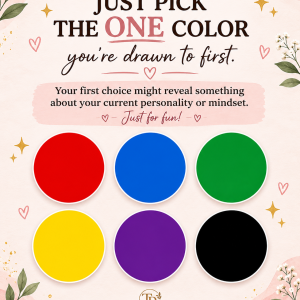
❤️ Red: Energy, Passion, and Intensity. Red is associated with vitality, warmth, love, and movement. People drawn to this vibrant shade may enjoy its sense of confidence and excitement. It can also represent urgency or frustration, depending on the situation. 💙 Blue: Calm, Reflection, and Quiet Strength. The color of open skies and still water, blue is commonly associated with serenity, stability, and emotional balance. Its softer shades are often chosen for bedrooms, spas, and peaceful environments because many people find them visually soothing.
💚 Green: Healing, Growth, and Grounding. Green represents nature, renewal, and balance. Plants, fabrics, and green surroundings can evoke feelings of freshness and connection with the outdoors. 💛 Yellow: Light, Curiosity, and Hope. Often associated with sunshine, yellow symbolizes cheerfulness, optimism, and creativity. Small touches of yellow, such as flowers, clothing, or decorative objects, can introduce warmth into an ordinary space. 💜 Purple: Wisdom, Depth, and Transformation. Combining red’s intensity with blue’s calm, purple has historical associations with royalty, spirituality, imagination, and introspection.
⚫ Black, White, and Gray: The Quiet Colors. Neutral shades carry their own symbolic meanings. Black is frequently associated with elegance, protection, strength, and formality. White often represents simplicity, cleanliness, renewal, or transition, although its cultural meaning varies. Gray sits between these extremes, suggesting neutrality, restraint, or quiet reflection. None of these preferences automatically indicates someone’s emotional condition. Personal experiences, cultural traditions, lighting, and individual taste all influence how we respond to particular colors.
The relationship between color and mood is fascinating, but it isn’t as straightforward as assigning one emotion to every shade. Research suggests that colors can influence perception and emotional responses, although the effects vary considerably between individuals and situations. The next time you reach for a favorite sweater, choose flowers, or decorate a room, consider what makes that particular color appealing. Perhaps it reminds you of a happy memory, creates a peaceful atmosphere, or simply makes you smile. Sometimes, the colors we love offer a gentle opportunity to understand our personal preferences and the feelings we associate with them.




This Post Has One Comment