Warning Signs of Clogged Arteries You Should Never Ignore
Many people assume heart problems appear suddenly, but clogged arteries often develop quietly over many years. Arteries are responsible for carrying oxygen-rich blood throughout the body, and when fatty deposits known as plaque begin building up inside them, blood flow can become restricted. This process, called atherosclerosis, may increase the risk of serious conditions such as heart attacks, strokes, and peripheral artery disease. Recognizing potential warning signs early can make a significant difference in protecting your long-term health.
One of the most common symptoms is chest pain or pressure, often called angina. This discomfort may spread to the shoulders, arms, neck, jaw, or upper back and can become worse during physical activity. Shortness of breath is another important sign, especially if it occurs during simple daily tasks. Some people also experience unexplained nausea, unusual fatigue, or heart palpitations that feel like pounding, fluttering, or irregular heartbeats.
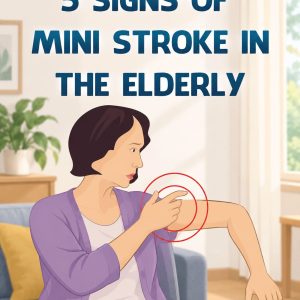
When arteries supplying blood to the brain become narrowed, symptoms may include weakness, numbness, or tingling on one side of the body. Slurred speech, sudden confusion, blurred vision, or temporary vision loss should never be ignored, as these may indicate an increased risk of stroke. In the legs and feet, reduced circulation can lead to pain while walking, persistently cold feet, or wounds that heal unusually slowly.
While these symptoms can have many possible causes, they deserve medical attention if they are persistent, severe, or occur suddenly. Maintaining a healthy diet, exercising regularly, avoiding smoking, and managing blood pressure and cholesterol levels can all help support cardiovascular health. Listening to your body and seeking professional advice when something feels wrong may help prevent more serious complications in the future.