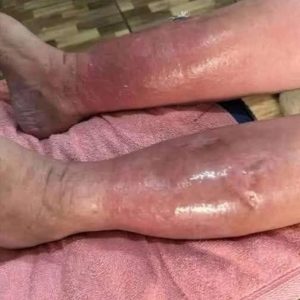
A blood blister can appear suddenly and often looks more serious than it actually is. These dark red, purple, or maroon bubbles form when tiny blood vessels beneath the skin break while the outer layer of skin remains intact. Blood becomes trapped underneath, creating a raised blister that may feel tender or sore. They commonly develop on the fingers, palms, toes, feet, or even inside the mouth.
In most cases, blood blisters are caused by pressure or friction. A finger caught in a door, tight shoes rubbing against the skin, or repeated use of tools and sports equipment can all trigger their formation. Inside the mouth, they may appear after accidentally biting the cheek or tongue or from irritation caused by dental appliances.
Although they can look alarming, most blood blisters heal naturally within one to two weeks. Experts generally recommend leaving them intact because the skin covering the blister helps protect against infection. If a blister breaks on its own, the area should be cleaned gently and covered with a clean bandage.
Simple home care can help reduce discomfort. Applying a cold compress, avoiding further pressure, and keeping the area clean may support healing. However, medical attention may be needed if the blister becomes very painful, shows signs of infection, grows larger, or fails to improve. People with diabetes, circulation issues, or recurring unexplained blisters should consult a healthcare professional for further evaluation.