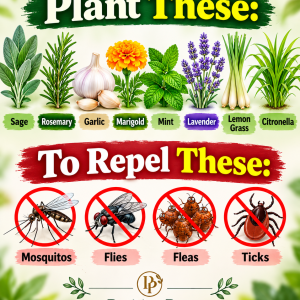
1. Mint: Peppermint and spearmint have strong, refreshing aromas, and their concentrated extracts have shown repellent activity against certain insects. Mint grows well in containers, making it a convenient addition to a windowsill or garden. 2. Lavender: Known for its beautiful purple flowers and relaxing fragrance, lavender contains aromatic compounds investigated for their effects on mosquitoes and other insects. Dried lavender sachets can also add a pleasant scent to closets and drawers.
3. Chrysanthemums: Certain chrysanthemum species are sources of pyrethrins, compounds used in some commercial insecticides. However, growing the flowers alone won’t provide the same protection as a formulated product. 4. Eucalyptus: Its distinctive aroma comes from naturally occurring compounds, some of which have been studied for insect-repelling properties. Keep concentrated eucalyptus oils away from pets and children. 5. Marigolds: These colorful flowers are popular garden companions. Certain marigold species can help manage specific soil nematodes when grown under appropriate conditions.
6. Basil: This fragrant kitchen herb contains aromatic compounds that have demonstrated activity against some insects in laboratory studies. Keep a pot near a sunny kitchen window and enjoy fresh leaves for cooking. 7. Rosemary: Another useful culinary herb, rosemary produces strongly scented foliage and grows beautifully in pots or garden beds. 8. Catnip: Catnip contains nepetalactone, a compound investigated for its mosquito-repelling effects. However, a living catnip plant should not be considered equivalent to a tested mosquito repellent.
9. Lemongrass: This attractive tropical grass has a citrus-like fragrance and contains compounds associated with citronella. It can be grown in containers and used in suitable culinary recipes. 10. Pennyroyal: Although traditionally associated with pest control, pennyroyal deserves particular caution. Its essential oil is highly toxic and should never be used as a homemade repellent or ingested. It’s best avoided in households with children or pets.
For effective pest prevention, combine suitable plants with practical measures such as sealing entry points, removing standing water, storing food properly, and keeping living spaces clean. When reliable mosquito protection is necessary, use an appropriately registered repellent. Plants can make your home greener and more fragrant, but they are complementary additions—not guaranteed pest-control solutions.



This Post Has One Comment