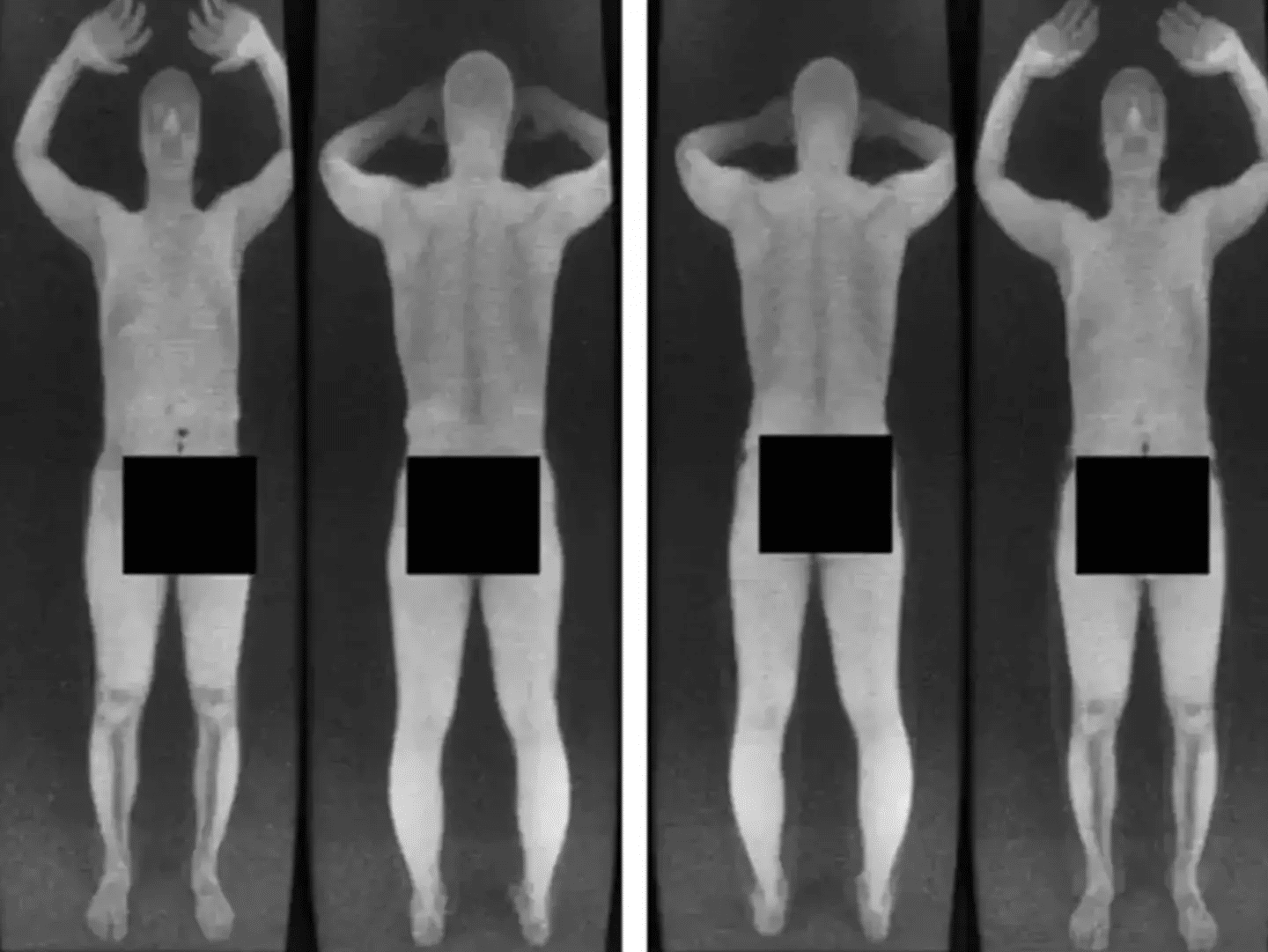
Airports around the world have seen a wave of security upgrades, but few changes have sparked as much surprise as the revamp of full-body scanners in U.S. airports. While these machines were initially introduced to bolster security, travelers were shocked by the level of detail they revealed, raising significant privacy concerns.
The push for full-body scanners began after a 2009 incident where a passenger attempted to detonate explosives concealed in their underwear. To counter such threats, the Transportation Security Administration (TSA) introduced scanners developed by OSI Systems’ Rapiscan division. These devices generated infrared images of passengers, but the explicit level of detail quickly became a source of controversy.
Passengers were alarmed to discover that the scanners essentially left them feeling exposed, as the images provided an uncensored view of their bodies. Public backlash against this invasion of privacy forced the TSA to take action, demanding that Rapiscan implement software capable of obscuring sensitive details.
Despite being given a deadline of June 2013 to develop less invasive software, Rapiscan admitted it couldn’t meet the requirements. This led the TSA to terminate its contract, stating, “TSA has strict requirements… Due to its inability to deploy non-imaging Automated Target Recognition (ATR) software… TSA has terminated part of its contract with Rapiscan.”