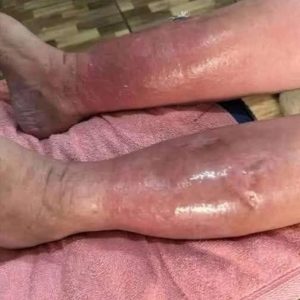
Visible veins are common and, in many cases, completely harmless. Factors such as exercise, warm weather, aging, sun exposure, skin tone, and genetics can make veins appear more noticeable beneath the skin. While many people view them as a cosmetic concern, some enlarged veins may indicate underlying circulation problems that deserve attention.
Veins are responsible for carrying blood back to the heart. When the valves inside these veins become weakened or damaged, blood can begin to pool instead of flowing efficiently. This increased pressure may cause veins to enlarge, twist, and become more visible. Smaller affected vessels can appear as spider veins, while larger swollen veins are often known as varicose veins.
Although spider veins are usually harmless, varicose veins may cause symptoms such as aching, heaviness, swelling, itching, or leg fatigue. Risk factors include family history, excess weight, prolonged sitting or standing, hormonal changes, and advancing age. For some individuals, symptoms may worsen throughout the day and improve after resting or elevating the legs.
Maintaining regular physical activity, managing a healthy weight, avoiding long periods of inactivity, and using compression stockings when appropriate may help support healthy circulation. However, sudden swelling, pain, skin discoloration, open sores, or warmth in the affected area should never be ignored. These symptoms can sometimes indicate more serious vascular conditions that require prompt medical evaluation and treatment.