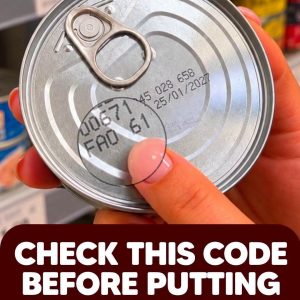
The FAO fishing zone system divides the world’s oceans and seas into numbered geographical regions. For example, FAO 37 identifies the Mediterranean and Black Sea, while FAO 27 covers the Northeast Atlantic and Baltic Sea. Other important zones include FAO 21 for the Northwest Atlantic, FAO 31 for the Western Central Atlantic, FAO 34 for the Eastern Central Atlantic, FAO 41 for the Southwest Atlantic, and FAO 47 for the Southeast Atlantic. Additional numbers identify regions throughout the Indian and Pacific Oceans.
These codes are particularly useful when buying packaged, frozen, or preserved seafood. Some labels also identify smaller subareas, offering more precise information about where a product was caught. However, an FAO number is not a quality or safety rating. It identifies a geographical location but does not automatically indicate whether fish is fresh, contaminated, sustainably harvested, or safe to eat. Those questions require additional information.
One zone that has attracted particular attention is FAO 61, which covers a large section of the Northwest Pacific, including waters near Japan. Following the 2011 Fukushima nuclear disaster, concerns about radioactive contamination prompted some countries to introduce seafood restrictions, inspections, and monitoring requirements. These measures have varied by country, location, seafood species, and time period. Importantly, the FAO 61 designation alone does not mean seafood is radioactive or unsafe.
For consumers, the best approach is to consider the fishing zone alongside other information, including the species, product origin, applicable safety controls, storage conditions, and any current official advisories. A broad geographical code cannot replace testing or regulatory inspections, but it can provide valuable context about where seafood comes from.
The next time you buy fish, take a moment to check the FAO number. It won’t tell you everything about the product, but it can help you become a better-informed shopper.




This Post Has One Comment