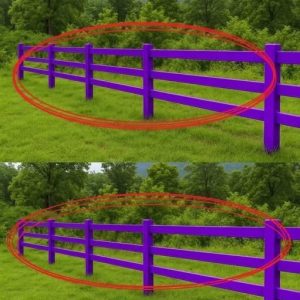
In several states across the United States, purple paint on trees, fence posts, or other boundary markers can mean that the surrounding land is private and entry is prohibited without permission. This system is commonly known as the Purple Paint Law. Where recognized by state law, properly applied purple markings may serve the same purpose as traditional “No Trespassing” signs. Instead of posting signs throughout a large property, landowners can use clearly visible purple markings to communicate that unauthorized entry is not permitted. However, the law is not universal, and a purple-painted fence does not automatically have the same legal meaning in every state.
There are practical reasons behind the use of purple paint. Traditional signs can fade, fall down, become damaged by weather, or be removed. Paint applied to a tree or post may last longer and require less frequent replacement. Purple also stands out against many natural backgrounds, making it easier to notice among green leaves, brown tree trunks, and wooden fencing. In states that recognize these markings, specific rules often determine their legal validity. Those requirements may include the length and width of each painted stripe, its height above the ground, and the distance between markings. A random splash of purple paint does not necessarily meet the legal standard for posting private property.
For people who enjoy outdoor activities, recognizing these markings can help prevent accidental trespassing. Imagine hiking through a wooded area and noticing several trees with vertical purple stripes. Rather than assuming the markings are meaningless, the sensible choice is to check whether the area is privately owned and whether public access is allowed. Entering posted private property without authorization may lead to legal consequences, depending on the circumstances and applicable state law. Hunters and campers should be particularly careful because property boundaries can be difficult to identify in rural areas. When ownership or access rights are uncertain, requesting permission or choosing a clearly designated public route is generally the safer option.
Purple paint markings also offer a reminder about respecting personal property and boundaries. Landowners may use them to protect livestock, crops, buildings, or simply their privacy. At the same time, people exploring the outdoors benefit from clear warnings that help them avoid entering restricted areas unintentionally. Because requirements differ between states, both property owners and visitors should familiarize themselves with local regulations rather than relying on assumptions. The next time you see a purple stripe on a tree or fence post, remember that it may be communicating something far more important than a decorative preference. Sometimes, a simple color is enough to deliver a serious message: private property deserves respect.
💜 Have you ever noticed purple paint on trees or fences in your area? Did you already know what it could mean?




This Post Has One Comment