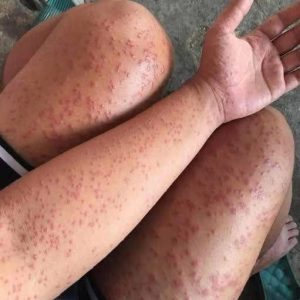
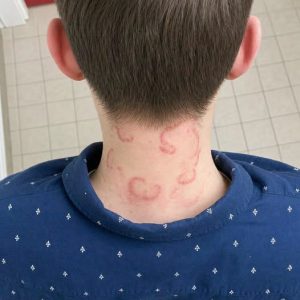
Bed bugs are small insects that hide in mattress seams, bed frames, headboards, furniture cracks, and other sheltered areas near sleeping spaces. They typically emerge to feed on human blood while people rest, and their bites often go unnoticed until a skin reaction develops. Common signs include small itchy bumps, reddish marks, or raised welts that sometimes appear in clusters or lines. The arms, legs, neck, and shoulders are frequently affected because these areas may remain exposed during sleep. However, the appearance of the bites varies from person to person. Some individuals develop significant itching and swelling, while others show almost no visible reaction. Importantly, bed bugs are not known to transmit diseases to people through their bites.
One reason bed bug problems can be difficult to recognize is that their bites resemble several other skin conditions. Mosquito bites, flea bites, contact dermatitis, and hives can produce similar symptoms. Hives may appear as raised, itchy welts that change shape or location, while insect bites often remain in the same places for longer. Nevertheless, these patterns are not reliable enough to establish a diagnosis from a photograph alone. Finding actual insects, shed skins, tiny dark spots, or other evidence around the sleeping area provides stronger clues. If unusual marks keep appearing, inspecting the mattress seams, headboard, and nearby furniture may help identify a possible infestation.
Although most bed bug bites cause temporary discomfort, repeated scratching can damage the skin and increase the risk of a secondary bacterial infection. Warning signs include worsening pain, warmth, pus, fever, or redness that continues spreading. These symptoms deserve medical evaluation. Mild itching may improve with cool compresses, gentle skin care, and suitable treatments recommended by a pharmacist or healthcare professional. More importantly, difficulty breathing, throat tightness, faintness, or swelling of the tongue or lips requires emergency medical attention, because these symptoms can indicate a severe allergic reaction. Such reactions are uncommon with bed bug bites, but they should never be ignored regardless of the suspected trigger.
Preventing further bites requires addressing the insects themselves rather than treating the skin alone. Washing and drying suitable bedding and clothing using high heat, vacuuming carefully, and inspecting furniture can help, but established infestations often require professional pest control. Avoid spraying unapproved chemicals onto mattresses or skin, as improper pesticide use can create additional health risks. When traveling, examining mattress seams and keeping luggage away from beds may reduce the chance of bringing insects home. Above all, remember that discovering bed bugs is not a reflection of someone’s cleanliness. These insects can travel through luggage, furniture, and personal belongings, affecting almost any household. Recognizing the signs early and responding appropriately can help protect both your comfort and your health.
❤️ Have you ever woken up with mysterious itchy bumps and wondered what caused them?
💬 Did you know that bed bugs can be found even in very clean homes?


This Post Has One Comment