Kitchen sponges deserve special attention because they regularly come into contact with moisture and food residue. Rinse them thoroughly, squeeze out excess water, and allow them to dry between uses. Replace them frequently, especially when they develop an unpleasant smell or begin falling apart.
Toothbrushes should generally be replaced every three to four months, or sooner if their bristles become frayed. Worn bristles may not clean teeth as effectively.
Dish towels and kitchen cloths can collect food residue and moisture throughout the day. Wash them regularly, particularly after handling raw meat or cleaning contaminated surfaces. Allow them to dry completely between uses.
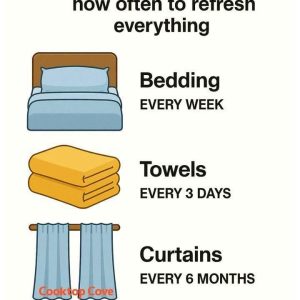
Pillows and pillowcases also need attention. Pillowcases collect skin oils, sweat, and other residue, so washing them regularly is a good habit. Pillows themselves should be cleaned according to their care labels and replaced when they lose support or become difficult to keep clean.
Bathroom towels should be hung up to dry after every use and washed regularly. Towels that remain damp for long periods can develop unpleasant odors and support microbial growth.
Reusable water bottles are another easily forgotten item. Wash them after daily use, paying special attention to lids, seals, and drinking spouts where residue can accumulate.
Finally, remember air-conditioner and heating-system filters. Check them according to the manufacturer’s recommendations and clean or replace them when needed. A clogged filter can reduce airflow and affect system performance.
The good news is that maintaining a cleaner home doesn’t necessarily require expensive products or complicated routines.
Sometimes, it’s simply about paying attention to the everyday objects we’ve stopped noticing.
Which household item do you think people forget to clean or replace most often?




This Post Has One Comment