One possible explanation for unexplained nighttime bites is bed bugs. These small, reddish-brown insects feed on blood and commonly hide near sleeping areas. They can shelter inside mattress seams, bed frames, headboards, furniture joints, and cracks in nearby walls. Because they are skilled at hiding and often feed at night, an infestation can go unnoticed for some time. Bed bugs aren’t a sign that a home is dirty, either. They can be introduced through luggage, clothing, secondhand furniture, and other belongings, making them a problem that can affect almost anyone.
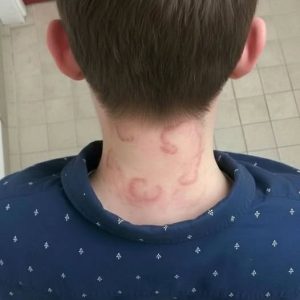
Bed bug bites may cause itchy, raised bumps, sometimes appearing in clusters or lines on exposed skin. Common locations include the arms, shoulders, neck, and legs. However, not everyone reacts to bites in the same way. Some people develop noticeable welts, while others experience little or no visible reaction. Importantly, the appearance of a rash alone cannot confirm that bed bugs are responsible. Fleas, mosquitoes, allergic reactions, and several skin conditions can produce similar symptoms. That’s why checking the sleeping environment for physical evidence is more reliable than trying to identify the insect from bites alone.
There are several clues worth looking for. Tiny dark spots on bedding or mattress seams may be bed bug droppings. Small reddish stains can sometimes appear on sheets, and shed insect skins or pale eggs may be found in protected hiding places. If you suspect an infestation, inspect the mattress, headboard, bed frame, and nearby furniture carefully. Washing suitable fabrics and drying them on high heat can help kill bed bugs, while vacuuming and specialized mattress encasements may support a broader control plan. Professional pest management is often needed because bed bugs can be difficult to eliminate completely.
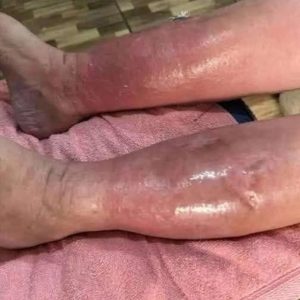
Although bed bugs are not known to transmit diseases through their bites, they can still cause significant discomfort. Persistent itching may disrupt sleep, and repeated scratching can sometimes lead to skin infections. For mild itching, a cool compress and appropriate over-the-counter treatments may provide relief. Seek medical advice if the skin becomes increasingly painful, warm, swollen, or develops pus, or if symptoms persist. The most important step is identifying the actual cause before attempting treatment. Discovering bed bugs early can make the problem easier to manage and help restore comfort and peace of mind.
Have you ever woken up with mysterious itchy bumps and wondered what caused them? 🛏️



This Post Has One Comment