Foods You Should Avoid Cooking in a Cast Iron Skillet
Cast iron skillets have been a trusted kitchen tool for generations, valued for their durability, versatility, and ability to retain heat. Whether used for searing meats, baking cornbread, or preparing hearty breakfasts, they can deliver excellent results when properly maintained. However, despite their many advantages, cast iron pans are not ideal for every type of food. Certain ingredients and cooking methods can damage the seasoning, affect flavors, or shorten the lifespan of the skillet.
One of the biggest concerns is cooking highly acidic foods. Ingredients such as tomatoes, vinegar, citrus juice, and wine-based sauces can gradually break down the protective seasoning layer and react with the metal beneath. This may leave foods with an unpleasant metallic taste and reduce the pan’s nonstick qualities. While small amounts of acidic ingredients are usually fine, long simmering times are best reserved for stainless steel or enameled cookware.
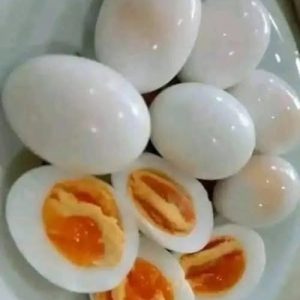
Delicate foods can also be challenging. Fragile fish fillets, eggs, and sticky sugar-based sauces often cling to the surface, making cooking and cleanup difficult. Strongly flavored dishes, including garlic-heavy recipes, spicy curries, and smoky foods, may leave lingering aromas that transfer to future meals. This can become especially noticeable when switching from savory cooking to baking desserts.
Moisture is another enemy of cast iron. Boiling, steaming, soaking, or storing food in the pan can encourage rust and weaken seasoning. To keep a cast iron skillet performing at its best, dry it thoroughly after cleaning, apply a light coating of oil, and choose foods that complement its strengths. With proper care, a cast iron skillet can remain a reliable kitchen companion for decades.