Jennifer Lopez slammed after revealing her pubic area during concert
Your nails may seem like a small part of your appearance, but they can sometimes reflect changes happening inside the body. While brittle nails, ridges, or slow growth are often harmless and linked to aging or daily habits, certain nail changes may occasionally be connected to thyroid problems. The thyroid is a small gland in the neck that helps control metabolism, energy, body temperature, and hormone balance. When thyroid hormones become too high or too low, the effects can appear throughout the body — including the nails.
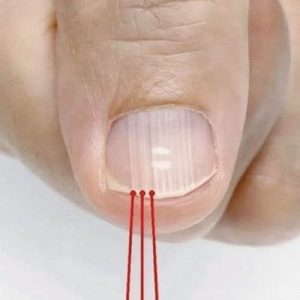
Hypothyroidism occurs when the thyroid does not produce enough hormones. This may slow body functions and cause symptoms such as fatigue, dry skin, weight gain, constipation, hair thinning, and sensitivity to cold. Nails can also become dry, brittle, weak, or slow-growing. Some people notice splitting or more visible ridges along the nail surface, while others find their nails break more easily during everyday activities.
On the other hand, Hyperthyroidism happens when the thyroid produces too much hormone. This may lead to rapid heartbeat, nervousness, sweating, tremors, trouble sleeping, and unexplained weight loss. Nail changes linked to hyperthyroidism can include softer or thinner nails that break easily, and in some cases, the nail may begin lifting slightly from the nail bed.
Still, nail changes alone do not automatically mean someone has thyroid disease. Vertical ridges are extremely common with age, while dryness, frequent handwashing, harsh chemicals, stress, illness, or injury can also affect nail appearance. Doctors typically diagnose thyroid conditions through blood tests that measure hormone levels rather than nail appearance alone.
Healthy nails are often supported by good overall health habits such as balanced nutrition, hydration, moisturizing, and protecting hands from harsh products. If nail changes appear together with symptoms like fatigue, weight changes, hair thinning, anxiety, or temperature sensitivity, it may be worth discussing them with a healthcare professional.