Swollen feet can occur after prolonged standing or from certain medications, but persistent swelling can sometimes be associated with venous, heart, kidney, or liver problems. Constantly cold feet may be related to circulation problems, diabetes, thyroid conditions, or vascular disease. A medical evaluation can help determine the actual cause.
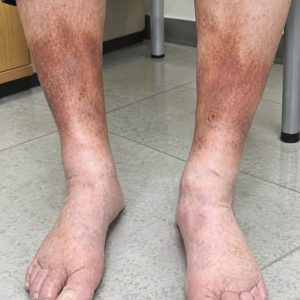
Sores that won’t heal deserve prompt attention, particularly in people with diabetes or poor circulation. Changes in skin color can also matter: blue, purple, unusually pale, or persistently red and warm feet may sometimes indicate circulation, oxygenation, inflammation, or infection problems.
Frequent foot or calf cramps can have many explanations, including dehydration, muscle overuse, certain medications, circulation problems, or electrolyte disturbances. Meanwhile, pain that develops while walking and improves with rest can sometimes occur with peripheral artery disease, although arthritis, tendon problems, and nerve conditions can cause walking pain too.
Healthy habits include comfortable footwear, regular activity, routine foot checks, avoiding smoking, and managing conditions such as diabetes. Seek medical attention for persistent burning, tingling or numbness, non-healing wounds, or unexplained pain. Sudden one-sided swelling, a suddenly cold or discolored foot, or symptoms accompanied by chest pain or difficulty breathing require urgent medical evaluation.



This Post Has One Comment